Antibody Solutions Home

Category

Biotech & Diagnostics

18 articles

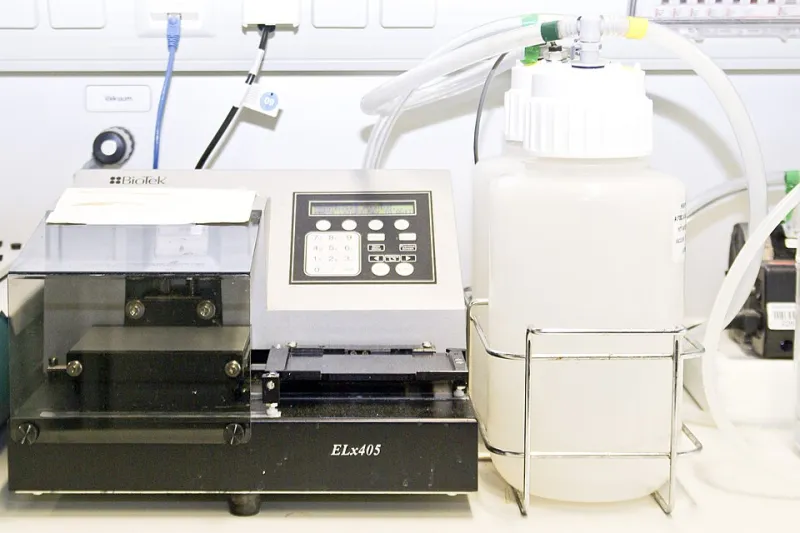
The Step Between Add and Read: A Wash-Buffer Audit for UK ELISA Teams

The Step Between Add and Read: A Wash-Buffer Audit for UK ELISA Teams

Wash steps often sit outside the formal reagent specification, yet surfactant, ionic strength, pH and dwell time can decide whether an ELISA signal is real. This audit framework helps UK laboratories define, challenge and document the wash buffer before attributing poor performance to the antibody.

The Well Is Not the Same: A Positional-Bias Audit for UK Antibody Assays

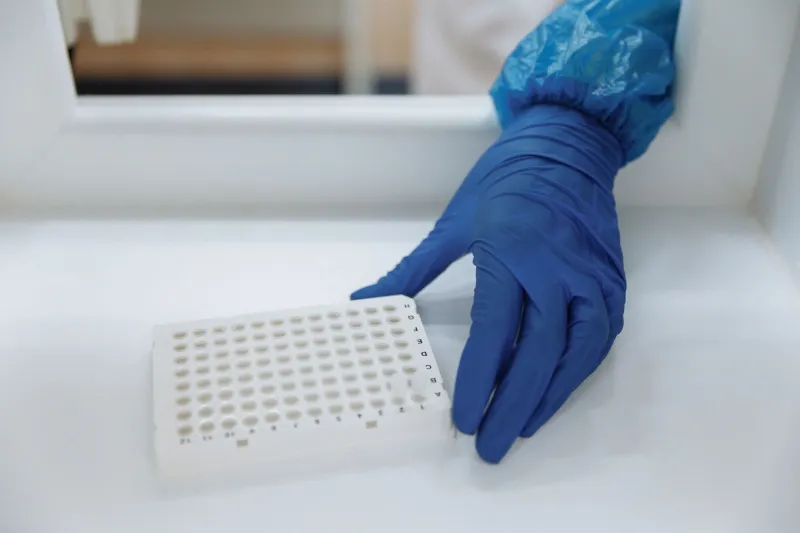
The Well Is Not the Same: A Positional-Bias Audit for UK Antibody Assays

Microplate position is often treated as inert, yet evaporation, thermal gradients and dispense order can produce edge and column effects that look like antibody performance differences. This audit framework helps UK laboratories map historical layouts, randomise controls and use heat maps to separate artefact from signal.

The Freeze-Thaw Ledger: Rethinking Antibody Aliquots in UK Laboratories

The Freeze-Thaw Ledger: Rethinking Antibody Aliquots in UK Laboratories

Splitting an antibody stock into smaller vials is often treated as a simple defence against freeze-thaw damage, but volume alone does not determine reagent resilience. A more disciplined aliquot policy considers concentration, vial geometry, handling and the way UK diagnostic teams actually use antibodies.

The Reporter Behind the Result: Secondary Antibody Selection for UK Multiplex Assays

The Reporter Behind the Result: Secondary Antibody Selection for UK Multiplex Assays

In multiplex immunoassays, the capture antibody receives most of the attention while the reporter antibody quietly determines signal quality, spectral compatibility and lot-to-lot reliability. This article sets out a practical selection and validation framework for UK laboratories that treat secondary reagents as measured components, not accessories.

Before the Sample Changes: A Matrix-Bridging Dossier for UK Antibody Assays

Before the Sample Changes: A Matrix-Bridging Dossier for UK Antibody Assays

Matrix changes are analytical changes, not administrative ones. This article sets out a UK-focused bridging dossier for antibody assays moving between serum, plasma, capillary blood and other specimen types, covering anticoagulant effects, haemolysis and lipaemia, collection variation and the evidence needed for a defensible sample-type claim.

From Bench to Border: UKCA Readiness for Antibody Diagnostic Kits

From Bench to Border: UKCA Readiness for Antibody Diagnostic Kits

UKCA marking is not a single hurdle but a sequence of evidence, registration and labelling decisions. This guide sets out where CE marking still carries weight in Great Britain, the documentation points that most often stall small diagnostic developers, and a practical checklist for planning submissions in 2026.

Cold Storage, Warm Assumptions: An Antibody Audit for UK Laboratories

Cold Storage, Warm Assumptions: An Antibody Audit for UK Laboratories

Antibody performance is often treated as a property of the vial, but it is also a property of the conditions under which the vial is kept. This article sets out a proportionate storage audit for UK laboratories—covering temperature records, freeze–thaw history, glycerol concentration and freezer resilience—that can stand up to grant review, quality scrutiny and supplier discussion.

Beyond the Ascites Flask: Recombinant Antibodies and the New UK Biotech Calculus

Beyond the Ascites Flask: Recombinant Antibodies and the New UK Biotech Calculus

Recombinant antibodies are no longer a niche alternative, but the shift from hybridoma-derived reagents is not automatic. This analysis examines what the change means for UK startups, NHS diagnostic suppliers and academic core facilities, and sets out the commercial, IP and regulatory questions that should be asked early.